

Gait and Balance Retraining for Safer Movement
Book Your Appointment
East Hills Physiotherapy offers Gait and Balance Retraining Calgary through a personalized physiotherapy approach that addresses both how you walk and how steadily you stand. Our balance retraining therapies support patients affected by dizziness, unsteadiness, and imbalance, helping them rebuild stability, confidence, and independence in movement across Southeast and Northeast Calgary.
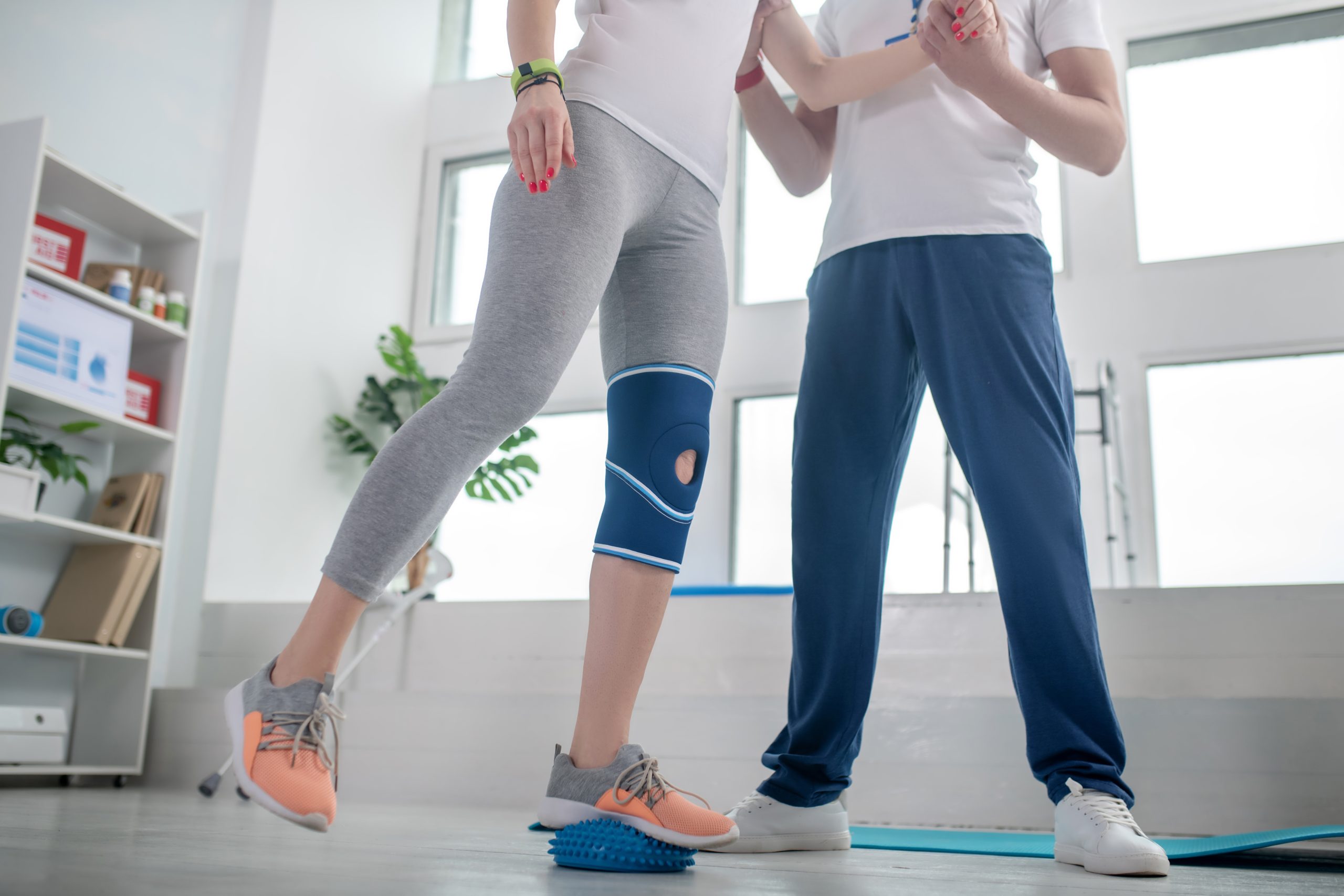
Gait analysis is a structured way to assess how you walk or run, helping Your Physiotherapist understand what may be contributing to pain, imbalance, reduced performance, or changes in your walking pattern.
During gait analysis, we look at:
Balance problems happen when the body has difficulty staying steady. Good balance depends on several systems working together, including vision, the inner ear, muscles, joints, nerves, posture, reaction time, and strength.
When one or more of these systems isn’t working well, you may feel:
Hip, knee, ankle, foot, back, and leg injuries can cause limping, shorter steps, uneven weight-bearing, or cautious movement. Treatment may include walking practice, mobility work, strengthening, and balance exercises.
Sprains, strains, fractures, plantar fasciitis, Achilles discomfort, and reduced joint movement can affect how you stand and walk. Gait retraining may improve step control, weight transfer, and everyday movement.
Back pain may change posture, stride length, and walking rhythm. Some people lean to one side or avoid putting weight through a painful area. Physiotherapy may support even walking while improving core, hip, and leg strength.
Dizziness or inner-ear balance problems can make walking, turning, and moving through busy places difficult. Care may combine gait training with vestibular exercises, gaze control, and balance practice.
Reduced strength, slower reactions, poor foot clearance, and balance decline may increase fall risk. Retraining focuses on safer walking, stepping reactions, confidence, and fall-prevention strategies.
Concussion, whiplash, pain, dizziness, and muscle guarding may affect walking and balance. Treatment can include neck mobility, vestibular exercises, strengthening, and gradual walking practice.
Bed rest, hospitalization, or long periods of reduced activity may lower strength and walking confidence. Physiotherapy supports a gradual return to standing, walking, climbing stairs, and daily tasks.
Repetitive work, lifting, running, and sports may contribute to uneven movement or recurring strain. Gait analysis may guide strengthening, mobility work, footwear advice, and return-to-activity planning.
Use the findings of your gait analysis to directly address the specific mechanical patterns in your walking. This involves guided walking practice with real-time feedback on stride length, step timing, foot placement, weight distribution, and trunk alignment.
Uses standing, single-leg, reaching, stepping, stair, and reaction exercises to improve coordination between vision, the inner ear, and body awareness, supporting steadier movement and better recovery from slips.
For patients whose balance and gait difficulties have a vestibular component, we integrate vestibular rehabilitation techniques, including gaze stabilization exercises, habituation exercises, and canalith repositioning maneuvers where indicated, into the broader gait and balance program.
Balance and gait depend on the strength of the muscles that support and move the body, the legs, hips, glutes, and core. Targeted strengthening builds the physical foundation needed for stable, efficient walking and for the reflexive muscle responses that help prevent falls.
Helps the body better sense position and movement. Through gradual exercises, it may improve balance, coordination, walking control, and responses affected by injury, surgery, or inactivity.
Simulates the real-world movement demands patients need to manage, such as rising from a chair, navigating doorways, turning while walking, climbing stairs, carrying an object while walking, and moving through busy or visually complex environments.
Uses gentle joint and soft tissue techniques to reduce stiffness, improve mobility, and support better walking patterns, balance, posture, and overall movement during gait rehabilitation when clinically appropriate.
Posture directly influences both balance and gait. Postural education and corrective exercises are incorporated into every gait and balance program, teaching you to recognize and correct habits that undermine movement efficiency and stability.
Guided practice can make walking at home, work, or in the community feel safer and more comfortable.
Balance exercises, strengthening, and stepping practice may improve reactions, foot placement, turning, and fall-prevention skills.
Retraining may reduce limping, shuffling, uneven steps, and poor foot clearance while supporting smoother movement.
Exercises for the hips, legs, ankles, and core provide support for walking, standing, climbing stairs, and daily tasks.
Posture guidance can improve weight shifting, body awareness, and walking efficiency while reducing unnecessary joint strain.
Practice on steps, ramps, grass, gravel, and changing surfaces prepares the body for everyday environments.
Physiotherapy may rebuild mobility, strength, weight-bearing confidence, and walking control after lower-body injuries or procedures.
Improved balance and walking may make errands, work, household tasks, social activities, and community movement easier.
Yes, it is often covered.
Your walking pattern, posture, strength, mobility, and balance are carefully assessed before any treatment begins.
Treatment is based on your current ability, symptoms, daily needs, and goals rather than a fixed protocol.
Your plan may include gait practice, balance drills, strengthening, vestibular exercises, manual therapy, and home exercises.
Care may help after surgery, injury, inactivity, or falls, adapting as your ability and confidence improve.
Direct billing may be available, and a physician referral is generally not required to book.

Google Ratings
Based on 302 Reviews
Changes in walking and balance can make stairs, errands, exercise, work, and community activities feel uncertain. East Hills Physiotherapy provides gait and balance retraining Calgary to help you understand how your body moves, improve stability, build strength, and practise safer movement.
Whether you are recovering after an injury, surgery, illness, accident, dizziness, or a period of inactivity, our team will create a plan around your ability and goals.
Contact our East Hills Physiotherapy clinic in Calgary to book your assessment and begin working toward steadier walking, stronger balance, and greater confidence in daily life.
Gait and balance retraining in Calgary is physiotherapy that improves walking patterns, stability, coordination, posture, and confidence. Care may include gait analysis, balance exercises, strengthening, mobility work, and fall-prevention guidance.
In physiotherapy, gait means the way you walk. We observe step length, foot placement, walking speed, posture, balance, arm swing, and how your hips, knees, ankles, and feet move together.
Balance retraining uses guided exercises to help you stay steadier while standing, walking, turning, climbing stairs, and changing direction. It may improve coordination, reaction time, body awareness, and confidence during daily movement.
Gait analysis in Calgary is an assessment of how you walk or run. We review stride, foot placement, posture, weight shifting, balance, limping, shoe wear, speed, and overall movement control.
People search for gait and balance retraining near me when they feel unsteady, fall often, drag their feet, walk differently, or want support after injury, surgery, illness, dizziness, or inactivity. East Hills Physiotherapy in Calgary offers personalized care to help improve balance, mobility, and walking confidence.
Gait and balance retraining is part of physiotherapy care for walking changes, falls, weakness, dizziness, neurological conditions, lower-body injuries, post-surgical recovery, reduced mobility, and confidence concerns during everyday movement tasks.
Sudden walking changes may happen because of pain, weakness, dizziness, joint stiffness, medication effects, nerve changes, or neurological symptoms. A physiotherapy assessment can identify movement factors that may be affecting your gait.
Feeling off balance while walking may relate to vestibular concerns, weakness, reduced sensation, poor coordination, vision changes, foot problems, joint stiffness, or slower reactions. Balance retraining may improve stability and confidence.
Frequent tripping may happen when foot clearance is reduced, ankle strength is limited, balance reactions are slower, footwear is unsuitable, or your walking pattern has changed after injury or inactivity.
Shuffling may be linked to weakness, stiffness, fear of falling, reduced foot clearance, neurological changes, or cautious habits after injury. Physiotherapy may improve step length, posture, rhythm, and walking confidence.
A limp may develop because of hip, knee, ankle, foot, back, or leg pain. It can also follow surgery, weakness, injury, or uneven weight-bearing. Gait retraining may reduce compensations and improve control.
Feeling like you may fall can happen when balance, strength, vision, sensation, coordination, or vestibular control is affected. Balance retraining helps build safer movement strategies and greater walking confidence over time.
Holding onto walls or furniture may show reduced balance confidence. It can happen with dizziness, weakness, fear of falling, poor coordination, or unsteadiness. Physiotherapy can help you practise safer walking.
Gait and balance retraining may help older adults improve walking confidence, leg strength, posture, reaction time, and fall prevention. Exercises are adjusted to current ability, comfort, safety, and daily goals.
Physiotherapy may help with frequent falls by assessing balance, gait, strength, mobility, dizziness, foot placement, and home risks. Care may include stepping practice, strengthening, walking drills, and fall-prevention guidance for you.
Gait retraining may support recovery after stroke by improving walking practice, posture, weight shifting, coordination, step control, and confidence. Care is adapted to your current ability, endurance, and goals over time.
Balance training may help people with Parkinson’s improve posture, step length, turning, rhythm, and confidence. Physiotherapy may also use cueing, strengthening, and functional movement practice during daily activities at home.
After hip, knee, ankle, foot, or back surgery, gait and balance retraining may rebuild strength, mobility, weight-bearing confidence, and walking control while following the recovery guidance provided by your healthcare team.
Concussion symptoms can affect balance, vision, head movement tolerance, and walking confidence. Physiotherapy may include vestibular exercises, gait retraining, balance practice, neck mobility, and gradual activity progression based on symptoms.
Arthritis may cause stiffness, pain, and reduced joint control that changes walking. Gait retraining may improve step control, posture, joint-friendly movement, strength, and confidence during daily mobility at home and outdoors.
During gait analysis, your physiotherapist observes how you walk, turn, stop, start, and shift weight. We assess step length, foot placement, posture, balance, strength, mobility, footwear, and walking speed carefully.
A balance assessment may include standing tests, walking tasks, turning, stepping, weight shifting, strength checks, and mobility review. We also discuss falls, dizziness, confidence, and challenges during daily activities with you.
Bring the walking or running shoes you use most often. Shoe wear patterns, fit, and comfort can provide helpful information about foot mechanics, loading, balance, and everyday walking habits for us.
Wear comfortable clothing and supportive shoes for gait and balance physiotherapy. You may be asked to walk, step, balance, move your hips and knees, or practise functional activities during assessment.
Yes. Watching you walk is an important part of gait assessment. We observe stride, posture, foot clearance, turning, arm swing, speed, weight shifting, and balance control during movement in the clinic.
Gait analysis may identify walking patterns, foot mechanics, or loading habits linked to uneven shoe wear. We also review strength, mobility, posture, foot position, balance, and footwear condition during your visit.
Balance exercises may include weight shifting, heel-to-toe walking, supported single-leg standing, reaching tasks, step practice, turning, and activities on different surfaces. Your program is chosen based on your ability and safety.
Walking exercises may include leg and hip strengthening, ankle mobility, step-ups, sit-to-stand practice, foot-clearance drills, posture work, turning practice, and guided gait retraining at different speeds and distances over time.
Gait retraining helps improve how you walk through practice with step length, foot placement, posture, weight shifting, turning, arm movement, rhythm, and foot clearance. Feedback is provided throughout treatment sessions.
Balance exercises may help when dizziness is linked to vestibular concerns, motion sensitivity, or reduced balance control. Vestibular rehabilitation may also be included when eye, head, and inner-ear signals need support.
Stronger hips, legs, ankles, and core muscles can support steadier walking, better posture, improved stair control, and reduced fall risk. Exercises are progressed according to your comfort and ability gradually.
Physiotherapy may help when foot dragging is linked to weakness, limited ankle movement, reduced foot clearance, balance changes, or altered walking habits. Assessment helps identify which factors need attention first.
Proprioceptive training helps your body sense position and movement more clearly. Exercises may use different surfaces, foot positions, stepping tasks, or reaching activities to improve coordination, reactions, and balance control.
Stairs require strength, coordination, depth perception, ankle control, and confidence. When balance is reduced, stairs may feel unsafe. Physiotherapy can include step practice, leg strengthening, and safer stair strategies for the home.
Uneven ground challenges ankle control, foot sensation, reaction time, strength, and balance. Gait and balance retraining may improve stability on sidewalks, grass, gravel, curbs, ramps, and sloped surfaces during daily walking.
Physiotherapy may reduce fear of falling by improving balance, strength, turning, step control, walking confidence, and recovery reactions. Guided practice helps you approach daily movement with more control and less hesitation.
After a fall, physiotherapy can assess pain, balance, walking pattern, strength, and confidence. Care may include gentle strengthening, gait retraining, stepping practice, balance drills, and safer movement education for daily activities.
Gait training may help you rely less on walls or furniture by improving posture, step control, leg strength, balance reactions, and walking confidence. Progress depends on your current ability and safety.
Physiotherapy may improve walking endurance by building leg strength, core support, posture, balance, and movement efficiency. Your plan may also include pacing strategies and gradually increased walking distances over several weeks.
Poorly fitting, worn, slippery, or unsupportive shoes can affect foot placement, stability, and walking confidence. We may discuss footwear fit, sole condition, support, and comfort during your gait assessment visit.
Custom orthotics may help when foot mechanics contribute to discomfort, uneven loading, or walking concerns. East Hills Physiotherapy provides foot assessments and may recommend orthotics when they suit your movement needs.
Gait analysis may help runners understand stride, foot placement, posture, hip control, cadence, and movement habits linked to discomfort or reduced efficiency. Findings can guide mobility, strengthening, and running adjustments.
Knee pain while walking may be influenced by foot placement, hip control, stride length, strength, or joint stiffness. Gait retraining may reduce strain and improve walking mechanics during daily activity.
Gait retraining may support ankle or foot discomfort by improving foot placement, weight transfer, mobility, strength, and loading habits. Treatment may also include balance work, footwear guidance, or orthotics when suitable.
Many extended health plans may cover gait and balance retraining when provided within physiotherapy care. Annual limits, visit amounts, referral rules, direct billing options, and eligible services vary by policy.
Direct billing may be available for participating insurance plans, depending on your provider, policy, and clinic arrangements. Bring your insurance information so our administration team can review the available options.
You generally do not need a physician referral to book gait analysis or balance retraining in Calgary. However, some insurance plans may require one before reimbursing your eligible physiotherapy costs.
Yes. Many people book because they feel unsteady, trip often, walk differently, or worry about falling without knowing why. We assess gait, balance, strength, mobility, symptoms, and daily challenges carefully.
If your walking is gradually changing, gait and balance retraining may identify movement, strength, balance, pain, or coordination factors needing support. A physiotherapy assessment can guide practical next steps for you.
East Hills Physiotherapy provides personalized gait and balance care based on your walking, strength, mobility, symptoms, comfort, and goals. Your plan may include retraining, strengthening, balance work, and home guidance.
Aanchal and Ramesh are awesome. Recovery from a broken ankle. They made it feel like it had never happened. Thank you
I appreciate the whole crew. Ramesh was great he has been helping me recover from broken ankle surgery. The associates are really helpful.
When i came here everybody treated me like Family. Harman helped me a lot. Earlier, i could not move my shoulder up but now all the pain is gone.Highly recommended place.