

Easthills Physiotherapy provides motor vehicle accident physiotherapy Calgary for people recovering from whiplash, back pain, headaches, dizziness, soft-tissue injuries, joint stiffness, weakness, and reduced mobility. Our physiotherapists assess how the collision has affected your movement, strength, balance, comfort, work, driving, and daily routine. We then create a care plan based on your injuries, symptoms, recovery stage, and personal goals.
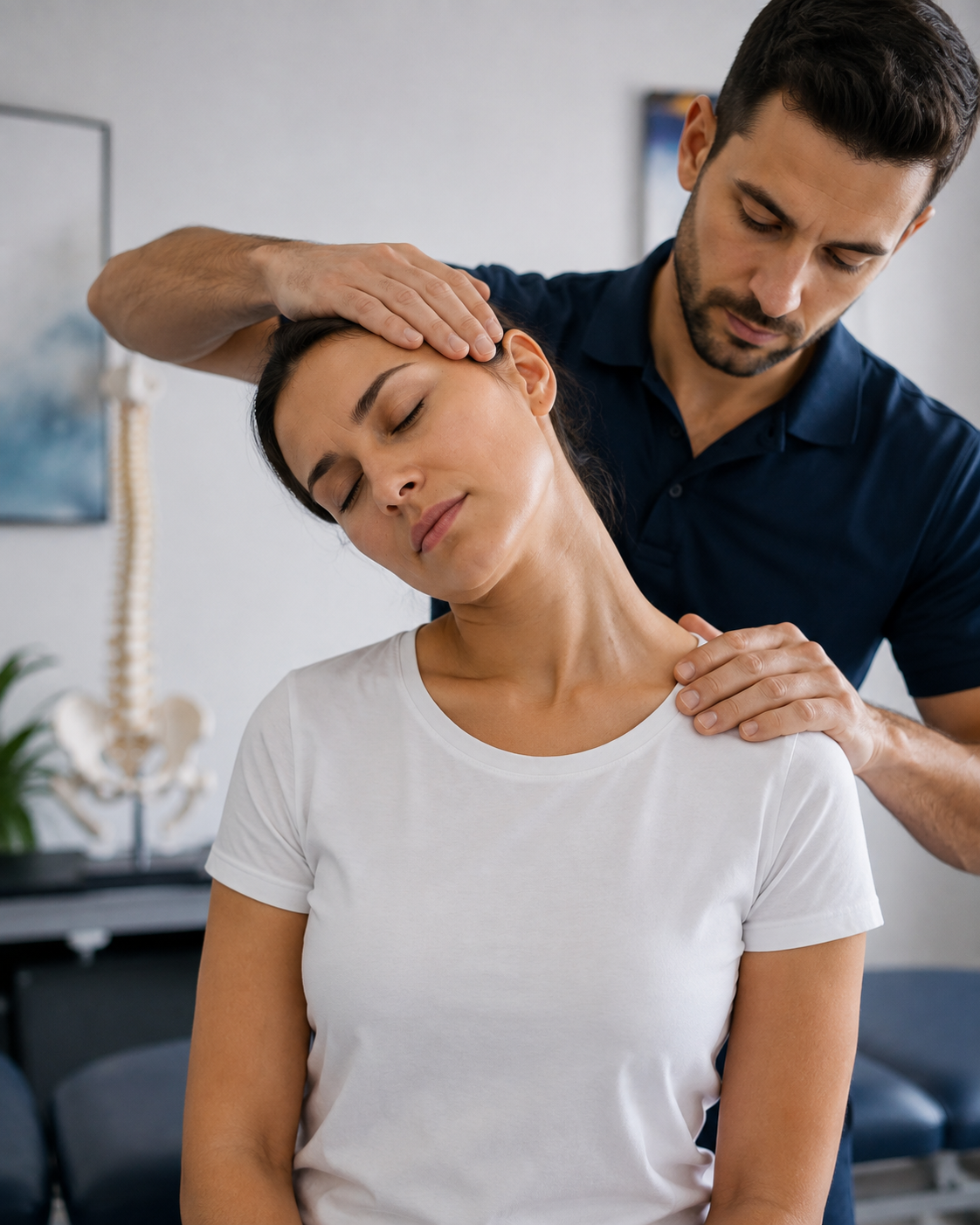
Motor Vehicle Accident Physiotherapy Calgary is rehabilitation care for physical concerns caused or aggravated by a collision.
Even a low-speed impact can place sudden force through the neck, back, shoulders, hips, and other areas. Some symptoms appear immediately, while others become noticeable over the following hours or days.
Our goal is to help you reduce discomfort, restore movement, rebuild strength, and return gradually to the activities that are important to you.
While many accident-related symptoms settle with guided care, some signs are worth flagging to your physiotherapist or physician right away.
Your Motor Vehicle Accident Physiotherapy Calgary will help you understand which symptoms are a normal part of recovery and which need closer medical follow-up.
Whiplash occurs when the head and neck move rapidly during a collision. It may cause neck pain, reduced movement, headaches, dizziness, shoulder tension, or arm symptoms. Motor Vehicle Accident Physiotherapy Calgary may help restore mobility and reduce protective muscle guarding.
Collision forces can strain muscles, joints, and other spinal tissues. Back pain may affect sitting, bending, lifting, sleeping, walking, and work. Treatment may include mobility exercises, hands-on care, strengthening, and posture guidance.
Dizziness may be connected to neck involvement, inner-ear irritation, or motion sensitivity. Vestibular rehabilitation may include balance exercises, gaze work, gradual movement practice, and neck treatment when appropriate.
Spinal irritation may cause pain, tingling, numbness, burning, or weakness that travels into an arm or leg. Care may focus on comfortable movement, nerve mobility, strength, posture, and activity tolerance.
Seatbelts, steering-wheel bracing, and impact forces may strain the shoulder, chest, or ribs. These injuries can affect reaching, lifting, breathing comfort, posture, and sleep.
Jaw tightness, clicking, facial pain, headaches, and chewing discomfort may develop after collision forces affect the neck and jaw muscles.
Dashboard impact, sudden braking, or direct force may injure the hips, knees, ankles, feet, or lower legs. Rehabilitation may include strengthening, mobility work, balance exercises, and walking retraining.
Gripping the steering wheel or bracing during impact may strain the wrist, hand, forearm, or elbow. Physiotherapy may support joint movement, grip strength, tissue mobility, and everyday hand use.
Pain can cause limping, guarded movement, uneven posture, or reduced activity. Movement retraining helps restore safer and more comfortable patterns.
Some people continue experiencing pain, stiffness, trigger points, or widespread muscle tension months after an accident. Physiotherapy may still help improve mobility, activity tolerance, and confidence.
When accident injuries require surgery, physiotherapy may support gradual recovery after medical clearance, including mobility work, strengthening, scar and soft tissue support, and functional retraining.
Your physiotherapist starts by asking about how the accident happened, when your symptoms began, and how they have changed since. This helps build a clear picture of what your body has been through.
Your physiotherapist checks your movement, strength, posture, and areas of tenderness or restriction, comparing both sides of your body to identify where treatment should focus first.
Before any treatment begins, your physiotherapist explains what the assessment showed and how that connects to the symptoms you've been experiencing.
Together, you and your physiotherapist set realistic goals based on your daily life, whether that means returning to work, driving comfortably, or getting back to sport, and build a plan around those goals.
Depending on your symptoms, treatment may begin the same day, often starting gently and building in intensity as your body responds.
Your physiotherapist reviews the accident, symptoms, health history, daily activities, and recovery goals. Movement, strength, posture, balance, walking, and neck function may also be assessed.
Hands-on methods may be used to reduce joint stiffness, muscle tension, and soft tissue restrictions. Spinal manipulation may be considered when suitable for your condition, comfort, and treatment plan.
Your program may include neck control, core strengthening, shoulder exercises, lower-body strengthening, balance work, mobility drills, and functional movement practice.
When dizziness, motion sensitivity, or balance problems are present, care may include gaze exercises, balance retraining, gradual activity progression, and neck treatment.
Acupuncture or dry needling may be included to support pain management and reduce muscle tension, used within a broader rehabilitation plan rather than as stand-alone care.
Instrument-assisted treatment may help when scar tissue, fascial tightness, or soft tissue restrictions affect movement. Massage therapy may also support tissue comfort and mobility.
Walking may change because of lower-body injuries, dizziness, weakness, or pain avoidance. Gait and balance exercises help improve foot placement, stability, coordination, and walking confidence.
Supportive devices may be considered when an injury affects stability, comfort, alignment, or walking. Your physiotherapist will determine whether these options suit your needs.
You’ll receive guidance about symptom management, posture, sleep positions, driving, work setup, activity pacing, and safe movement, with home exercises reinforcing progress made during clinic visits.
Recovery isn’t always steady. Your physiotherapist monitors your response and adjusts your program as your symptoms, strength, mobility, and activity tolerance change.
Yes, coverage is available, depending on your claim, treatment timing, and policy requirements.
Confirm coverage and claim requirements with your insurance provider before treatment.
Your program reflects your injuries, symptoms, work, lifestyle, and recovery goals.
We communicate with your doctor and insurance provider when required.
Care may include manual therapy, exercise, vestibular rehabilitation, acupuncture, dry needling, massage, and the Graston Technique.
Treatment moves from symptom control to strength, mobility, and activity.
Our team helps make insurance documentation and billing easier to understand.
Google Ratings
Based on 302 Reviews
A Motor Vehicle Accident Physiotherapy Calgary can affect more than your vehicle. It can change how you move, sleep, work, drive, and feel in your body. After a car accident, your body may need guided care to restore movement, reduce stiffness, and rebuild confidence.
Our motor vehicle accident physiotherapy in Calgary focuses on your specific injuries, symptoms, and goals while supporting communication with your doctor and insurance provider when required.
Book your Motor Vehicle Accident Physiotherapy appointment in Calgary with Easthills Physiotherapy today.

PT/Clinic Director

Physiotherapist

Physiotherapist
Motor Vehicle Accident Physiotherapy Calgary is rehabilitation care for collision-related pain, stiffness, weakness, dizziness, and movement changes. Treatment supports safer mobility, gradual strength rebuilding, and return to work, driving, exercise, and daily activities.
MVA physiotherapy means physiotherapy after a motor vehicle accident. It addresses collision-related pain, stiffness, whiplash, dizziness, weakness, and movement limits while helping you return gradually to normal routines and responsibilities.
Physiotherapy may help after a car accident by improving mobility, reducing stiffness, rebuilding strength, supporting balance, and guiding a gradual return to driving, work, household tasks, exercise, and recreation with greater confidence.
A physiotherapist glides a stainless-steel instrument over selected tissue using controlled pressure. The tool helps identify areas of restriction and may support tissue movement before stretching, strengthening, or functional exercise.
Even a low-speed collision can strain the neck, back, shoulders, and soft tissues. An assessment may identify movement changes, tenderness, stiffness, or dizziness that were not noticeable immediately after impact.
People often search for MVA physiotherapy when accident-related pain, headaches, dizziness, stiffness, or insurance questions begin affecting sleep, work, driving, family responsibilities, exercise, and confidence with everyday movement after a collision.
Delayed neck pain may relate to whiplash, muscle guarding, joint stiffness, or soft-tissue strain. Physiotherapy can assess neck movement, posture, shoulder function, and symptom triggers before creating a suitable recovery plan.
Full-body soreness may occur because muscles tighten and the body braces during impact. Joints, ligaments, and soft tissues can absorb sudden force, leading to tenderness, stiffness, fatigue, and guarded movement afterward.
Dizziness after an accident may relate to whiplash, concussion symptoms, neck tension, inner-ear irritation, or motion sensitivity. A physiotherapy assessment can review balance, eye movements, walking, and head movement tolerance.
Headaches may be connected to neck strain, upper-back stiffness, jaw tension, whiplash, stress, or concussion-related changes. Physiotherapy may address mobility, muscle tension, posture, and movements that aggravate your symptoms.
Back pain may develop from muscle strain, joint irritation, prolonged bracing, disc-related sensitivity, or altered posture. Physiotherapy may use mobility work, strengthening, hands-on care, and activity guidance to support recovery.
Fatigue or foggy thinking may relate to poor sleep, pain, stress, medication, or concussion-related symptoms. These concerns should be discussed during your assessment so appropriate care or medical follow-up can be considered.
Morning stiffness may occur when muscles and joints remain guarded during sleep. Gentle mobility, positioning guidance, hands-on care, strengthening, and changes to sleep posture may support easier movement after waking.
MVA physiotherapy may support whiplash, neck pain, back pain, headaches, dizziness, shoulder injuries, joint stiffness, soft-tissue strain, jaw discomfort, nerve-related symptoms, lower-body injuries, and reduced mobility after a collision.
Physiotherapy may help with whiplash by restoring comfortable neck movement, reducing muscle guarding, improving posture, rebuilding neck and shoulder strength, and guiding your gradual return to driving, work, exercise, and daily activity.
Physiotherapy may support concussion-related dizziness, headaches, balance changes, visual sensitivity, neck pain, and reduced activity tolerance. Treatment is paced carefully and may include vestibular exercises, neck care, and gradual activity progression.
Seatbelt pressure and bracing may affect the shoulder, chest, ribs, neck, or upper back. Physiotherapy can support mobility, tissue comfort, posture, strength, reaching, lifting, breathing comfort, and sleeping positions.
Physiotherapy may help when numbness or tingling relates to nerve irritation, neck or back stiffness, muscle guarding, or movement changes. New, spreading, or worsening symptoms should also receive prompt medical attention.
Jaw discomfort may develop when collision forces affect the neck, jaw joint, and surrounding muscles. Care may include gentle jaw movement, neck treatment, posture guidance, soft-tissue techniques, and home exercises.
Sudden braking, twisting, dashboard contact, or bracing may injure the hips, knees, ankles, feet, or legs. Physiotherapy may include mobility work, strengthening, balance exercises, and walking retraining during recovery.
Your first visit includes a review of the accident, symptoms, health history, pain areas, movement, strength, posture, balance, and daily limitations. We then outline a personalized treatment and recovery plan.
Bring your insurance details, claim number, accident date, adjuster information, medical reports, medication list, and comfortable clothing. These details help our team understand your injuries and review available billing arrangements.
We assess the areas affected by your accident, which may include the neck, back, shoulders, jaw, arms, hips, or legs. Your movement, strength, posture, balance, and symptom patterns may also be reviewed.
Care may include manual therapy, therapeutic exercise, vestibular rehabilitation, gait training, acupuncture, dry needling, instrument-assisted soft-tissue care, massage therapy, posture education, activity guidance, and a personalized home exercise program.
Yes. Your plan reflects your injuries, symptom severity, comfort, health history, work demands, driving needs, daily responsibilities, and recovery goals. Treatment is adjusted as your mobility, strength, and activity tolerance change.
Home exercises may include gentle mobility, stretching, strengthening, posture work, balance activities, or breathing strategies. Your physiotherapist explains how often to practise and adjusts the program according to your response.
Your program is reviewed regularly because accident recovery may not follow a straight path. Exercises, hands-on care, activity levels, and goals are adjusted as your pain, strength, mobility, and function change.
It happens when the head and neck move rapidly during a collision. It may cause neck pain, stiffness, headaches, shoulder tension, dizziness, arm symptoms, and difficulty turning while driving or working.
Dizziness during head movement may relate to whiplash, neck stiffness, vestibular changes, motion sensitivity, or concussion symptoms. Assessment may include neck mobility, eye movement, balance, walking, and head-turning tolerance.
Vestibular rehabilitation may help with accident-related dizziness, motion sensitivity, balance changes, and unsteady walking. Care can include gaze exercises, balance training, head movement practice, neck treatment, and gradual exposure to daily activities.
Yes. Headaches can occur without direct head contact because rapid neck movement, upper-back tension, jaw guarding, stress, and concussion-related forces may affect tissues involved in head and neck comfort.
Light or sound sensitivity may occur with concussion-related symptoms or migraines after an accident. Motor Vehicle Accident Physiotherapy Calgary may support pacing, vestibular function, neck movement, balance, and gradual activity, alongside appropriate medical guidance.
Physiotherapy may rebuild movement confidence through education, gentle mobility, strengthening, posture support, and gradual exposure to meaningful activities. Your exercises are progressed according to comfort rather than forcing painful or overwhelming movement.
Accident-related physiotherapy may be covered through auto insurance, extended health benefits, or another approved arrangement. Coverage depends on your claim, policy, treatment timing, submitted forms, and insurer requirements.
Direct billing may be available for eligible motor vehicle accident claims, depending on insurer authorization, claim status, forms, and clinic arrangements. Our administration team can review the information required for billing.
A physician’s referral is generally not required to book physiotherapy. However, your insurer or claim arrangement may request medical documentation, so confirm reimbursement and paperwork requirements directly with your insurance provider.
You may need your insurer’s name, claim number, accident date, adjuster contact details, policy information, and completed claim forms. Additional medical or treatment documents may be requested depending on your circumstances.
Older accident claims may follow different approval and billing procedures. Extended health benefits or private payment may be required when claim coverage is unavailable, closed, or awaiting authorization from your insurance provider.
Our administration and clinical teams may provide approved treatment information, progress reports, receipts, or billing documents when required. Communication depends on your consent, insurer requests, claim status, and applicable privacy requirements.
You remain responsible for confirming your coverage, limits, approvals, and unpaid amounts. Contact your insurer before treatment and ask our administration team about billing arrangements, receipts, and available payment options.
Recovery time varies according to your injuries, symptoms, health history, activity demands, and participation in care. Some concerns improve within weeks, while multiple injuries or persistent symptoms may require longer support.
Consider arranging an assessment when pain, stiffness, headaches, dizziness, weakness, or reduced movement appears. Early guidance may help you understand safe activities, symptom management, and appropriate next steps for recovery.
Many people continue working with suitable adjustments. Your physiotherapist may recommend pacing, posture changes, movement breaks, modified duties, lifting strategies, or exercises based on your symptoms and workplace demands.
Physiotherapy may support driving by improving neck rotation, shoulder mobility, back comfort, sitting tolerance, balance, and movement confidence. Return to driving depends on symptom control, safety, and appropriate healthcare guidance.
Mild, temporary soreness may occur after exercise or hands-on treatment as your body adapts. Sharp, strong, spreading, or worsening symptoms should be reported so your physiotherapist can modify your care plan.
Yes. Some accident-related symptoms appear gradually or become more noticeable as normal activity resumes. We can assess current pain, stiffness, dizziness, weakness, and movement concerns even when the collision occurred weeks earlier.
Physiotherapy may support older accident injuries when pain, stiffness, headaches, muscle guarding, weakness, dizziness, or reduced mobility still affects work, driving, exercise, sleep, or everyday activities.
You may choose where to receive physiotherapy, although insurance authorization and claim paperwork may be required. Our administration team can explain which details and documents are needed before transferring your accident-related care.
East Hills Physiotherapy provides assessment-led accident care combining hands-on treatment, therapeutic exercise, vestibular support, gait training, education, and home guidance. We also assist with approved claim documents and insurer communication.
Contact East Hills Physiotherapy and provide your accident date, symptoms, preferred clinic location, insurance details, and claim information. Our team will explain the booking process and documents needed for your first assessment.
It's My first time visit here.I had a wonderful experience with Janki Devi. Her massage techniques are relaxing yet effective, helping to relieve stress and body pain. She creates a very comfortable atmosphere, and her dedication to her work truly shows.I really like her work.
Aanchal and simran really helped me a lot with my WCB case. I had severe back pain which has reduced immensely now.
If someone is looking for a good physiotherapist, I highly recommend Ramesh. He is very well-known in his profession, and the team working there is very kind and helpful. For me, it’s the best place for physiotherapy.
I came here for physio for my knee and Suchi and Saloni were very helpful! After 2 sessions and on my own time doing the stretches, my knee was feeling a lot better! The massaging and cupping really helped lots! Very nice people and recommend it here!